






















Your shopping cart is currently empty.

Acoustic vs. Electric Guitar: Which Is Right for You? (10/3/2026)
Music gives players countless ways to express themselves, from soft melodies to energetic riffs. The guitar is especially versatile because its sound changes dramatically depending on the instrument. Choosing a guitar that fits the music you love gives you a strong connection to the songs you want to play. Learning about the ins and outs of acoustic and electric guitars will help you find the right instrument for your playing style.

How Acoustic Guitars Produce Sound
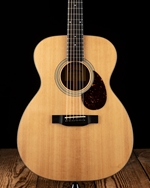
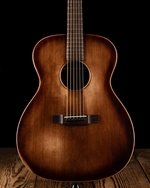
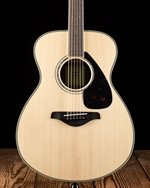
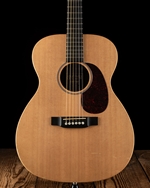
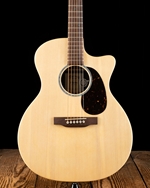
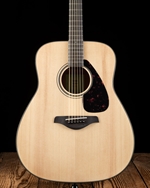
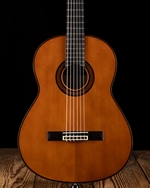
Strum a chord on an acoustic guitar, and the instrument projects the sound naturally. The vibration from each string travels through the bridge and into the guitar’s top. Its hollow body resonates with those vibrations, and the sound hole projects the resulting tone outward. Because the instrument generates its own volume, a player can sit down and practice without plugging into other equipment.Body construction influences the character of that natural sound. A large dreadnought tends to deliver substantial volume and bass response, whereas a smaller concert-style body typically has a focused voice and a compact shape against the player. Tonewoods, bracing, strings, and picking technique shape the final result, too. Those details give acoustic players plenty of tonal variety even before amplification enters the picture.
How Electric Guitars Produce Sound
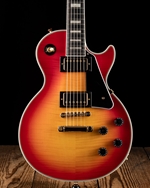
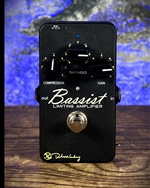
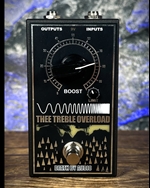
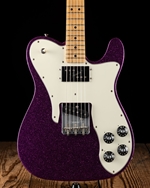
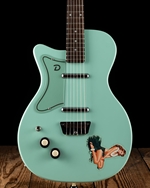
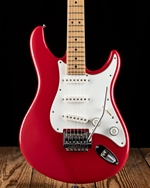
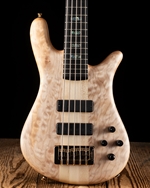
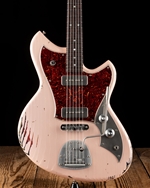
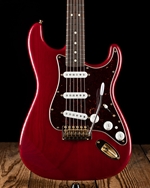
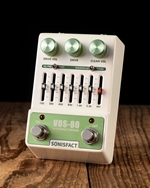
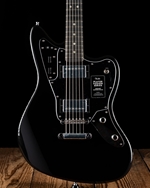
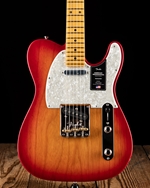
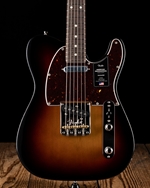
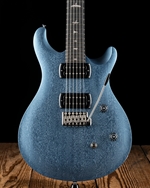
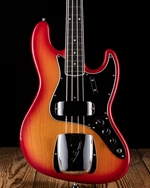
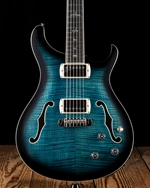
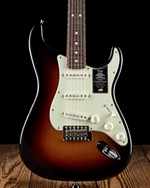
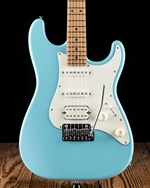
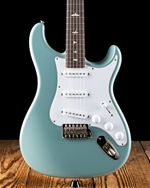
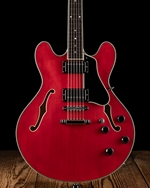
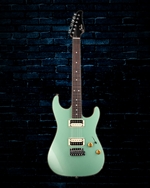
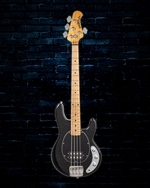
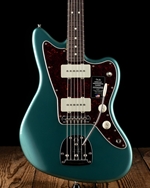
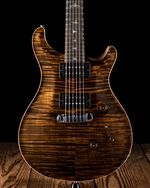
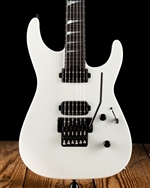
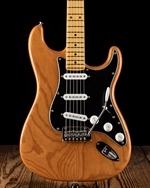
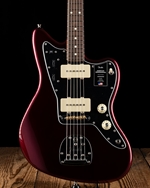
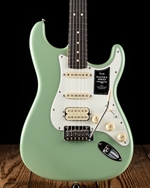
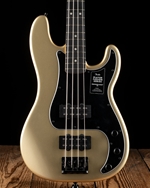
Plugging an electric guitar into an amplifier opens up a broad range of tones. Magnetic pickups sense string vibrations and turn them into an electrical signal, then the amplifier produces the sound that reaches the listener. Pickup type and placement influence whether the tone sounds bright, warm, thick, sharp, or somewhere between those qualities.An amplifier expands those choices because its settings affect volume, gain, bass, midrange, and treble. Effects pedals or built-in amp effects introduce sounds such as distortion, delay, chorus, and reverb. For someone who enjoys experimenting with tone, the electric guitar offers a palette that stretches far beyond the instrument’s unplugged voice.
Playing Feel
How a guitar sits in the hands influences the experience of practicing chords, riffs, and scales for an extended session. Body depth, neck shape, string tension, and instrument weight all affect the physical response of the guitar. Neither type has one universal design, so individual models still vary considerably.
Acoustic String Tension
Steel-string acoustic guitars commonly use strings that press firmly against the fingertips. Their action, or the distance between the strings and fretboard, also influences how much pressure a player uses to fret a clean note. New guitarists sometimes notice fingertip soreness as their hands adjust, especially when practicing chords that press several strings at once.Many acoustic models leave generous space between the strings, giving the picking hand room to move between individual notes. Fingerstyle players may appreciate that space because the thumb and fingers have distinct strings to target. A properly fitted instrument and good setup help the fretting hand move naturally and reduce unnecessary strain.
Electric Neck Feel
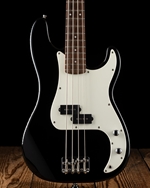
Electric guitars frequently use lighter-gauge strings and lower action, so fretting notes usually takes less pressure than it does on a steel-string acoustic. Many models have slim bodies that sit close to the player, too. These traits appeal to beginners who prefer a light fretting touch or plan to practice bends, riffs, and lead lines.Weight changes the experience, though. A solid-body electric may seem substantial on a strap or across the lap, even when its body looks thin. Trying several shapes gives a player a sense of how the neck profile, body contour, and overall balance work together.
Music Style
The songs that make someone want to pick up a guitar offer a useful clue about which instrument will sound most rewarding to practice. Acoustic guitars appear throughout folk, country, pop, blues, rock, and singer-songwriter music. Their natural resonance works particularly well for strummed chord progressions, fingerpicked patterns, and performances in which the guitar carries both rhythm and harmony.Electric guitars have a strong presence in rock, blues, funk, punk, metal, R&B, and many forms of pop. Amplification gives players access to sustained notes, driven rhythm tones, expressive bends, and effects-heavy textures.
Genre doesn’t set a hard boundary. However, musicians regularly use acoustic and electric guitars outside their most familiar settings. Listening closely to the guitar tone in favorite songs provides a useful reference for the sound you’ll enjoy practicing.
Practice Setup
An acoustic guitar has a straightforward practice routine: take it out, tune it, and play. That simplicity suits someone who wants to move between rooms, bring a guitar to a friend’s house, or squeeze in a short practice session without setting up extra equipment. Its natural volume lets the player hear articulation, string buzz, and uneven chord pressure immediately.Electric practice involves a few additional choices. An amplifier and cable form the basic setup, and many practice amps include headphone outputs for quiet sessions. Volume control gives electric players flexibility in shared spaces when their equipment includes the right features. The instrument produces a soft unplugged sound, but amplification reveals the tone and response.
Equipment and Budget
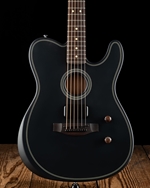
The guitar itself represents only part of the initial purchase. Acoustic players generally begin with the instrument, picks, a tuner, a strap if desired, and a case or gig bag. An acoustic-electric model includes onboard electronics for connecting to an amplifier or PA system, but those electronics aren’t necessary for basic home practice.An electric setup typically includes the guitar, an amplifier, and a cable, along with common accessories ranging from a tuner to a case. Effects pedals aren’t essential for a beginner, so players can explore them later as their skills develop. Looking at the total setup alongside the guitar price gives a useful picture of the investment before bringing an instrument home.
Choose the Guitar That Inspires You
The music you love already gives you a strong starting point for choosing an instrument. A player drawn to warm chords, fingerpicked melodies, and natural resonance may connect with an acoustic guitar. Someone inspired by amplified riffs, expressive solos, and adjustable tones may prefer an electric. Connecting the sounds you want to produce to either an acoustic or electric guitar will lead to playing music that resonates with you.Turn your musical interests into time spent playing. N Stuff Music offers guitars for a range of styles and experience levels. If electric tones match the music you want to make, you can shop electric guitars online or visit N Stuff Music in Pittsburgh to compare options in person. Holding and hearing several instruments can help you choose a guitar that keeps you excited to play.