























Your shopping cart is currently empty.

Tips for Choosing the Right Guitar for Fingerpicking (9/11/2026)
Fingerpicking is a style of guitar playing that lets a guitarist pluck individual strings with the thumb and fingertips or nails. The style places bass notes beside melody lines, so each musical part has its own voice. With the exposed individual notes, the acoustic guitar’s response is particularly noticeable.
To find the right guitar for fingerpicking, you have to pay close attention to the sound and your physical comfort. The goal is to choose a responsive instrument that makes delicate passages satisfying without needing to fight the guitar.
Select a Responsive Body Size
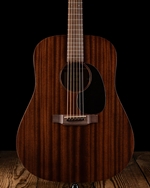
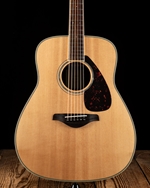
Body size shapes both the tone and the physical experience of fingerpicking. Compact or mid-size acoustics tend to produce focused notes with a quick response under a light touch. Their compact dimensions sit close to the body during seated playing.Dreadnought-style guitars bring deep bass with strong projection. Players who enjoy a pronounced low end could appreciate the extra weight in thumb-driven patterns. However, a large body sometimes produces more bass than some arrangements require. Compare several sizes to hear how clearly the treble notes remain present beside the bass strings.
Include body comfort in a seated comparison because the picking arm has room to settle naturally. An instrument resting comfortably against the torso supports a relaxed position through extended practice sessions.

Check the String Spacing
Fingerpicking asks both hands to work with individual strings in precise positions. Even a small difference in spacing changes how freely the hands move. Many steel-string acoustic guitars use nut widths around 1 11/16 inches or 1 3/4 inches.Extra room at the nut supports dense chord shapes where open strings ring beside fretted notes. Bridge spacing affects the picking hand just as directly because each finger approaches a separate string. Try each guitar to judge whether the spacing suits the picking hand’s natural position. Comfortable spacing supports accuracy as the hand rests at a natural angle.
Match the Top Wood to Your Touch
The soundboard reacts directly to energy traveling through the strings. Spruce tends to offer a defined attack with broad dynamic range. Players who alternate between light fingerpicking and a firm attack could appreciate its flexibility.Cedar tends toward a warm voice with a quick response under gentle playing. Players who rely on a light touch to bring notes to life prefer cedar.
Keep in mind that the wood species alone won’t predict the entire sound. Bracing and body construction also influence the instrument’s response. Listen to the complete instrument before using top material as the deciding factor.
Listen for Clear Note Separation
Fingerpicked arrangements place bass movement beside melody inside the same musical phrase. A suitable guitar keeps those parts distinct even as several notes ring together. Strong note separation becomes especially useful in patterns where several strings continue ringing together.Pay attention to balance across the bass strings and treble strings as each instrument speaks. A strong candidate delivers full bass yet leaves room for the melody. Its treble notes carry enough definition to remain audible at a gentle volume. Balanced response lets every musical line speak with its own character.
Compare Scale Length With Tension
Scale length affects the tension and response a player notices beneath both hands. With the same tuning and string gauge, a shorter scale generally carries less tension than a longer scale. Some players prefer the relaxed response through chord changes or expressive fingerpicked passages.A long scale produces a firmer response under comparable conditions. Firm tension keeps dropped tunings from becoming overly loose. Neither option suits every player because personal preference reflects hand strength and musical style. Compare guitars at the same tuning so the instrument itself remains the main variable.
Prioritize a Comfortable Neck
Fingerpicking arrangements sometimes use chord shapes holding several notes across the fretboard. A neck suited to the fretting hand lets those shapes sit naturally with minimal strain. Pay attention to neck depth and fingerboard width as familiar chords take shape.String height deserves a separate check because excessive action demands extra fretting pressure. Very low action risks buzzing if the setup conflicts with the player’s touch. A professional setup could adjust string height after purchase. Neck shape offers far less flexibility, so select a profile suited to the hand from the beginning.
Play softly across different areas of the fretboard during the comparison. Consistent resistance supports smooth movement between chord shapes or melodic passages. Unexpected buzzes or stiff spots call for careful inspection before purchase.

Compare Steel and Nylon Strings
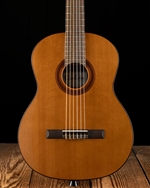
String material changes the attack and physical response of a fingerpicked guitar. Steel strings deliver a crisp attack with clear definition across folk or pop styles. Players who move between fingerpicking and strumming on one instrument frequently prefer the familiar response.Compared with steel strings, nylon strings produce a softer attack and rounder tone. Classical-style guitars typically pair nylon strings with broad necks to provide generous spacing. Players drawn to classical music or warm solo arrangements could prefer the pairing. Try both types before assuming one string material matches the sound already in mind.
Choose a Cutaway for High Frets
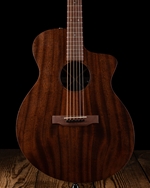
Some fingerpicked arrangements keep most notes near the first several frets. Others move melodies high on the neck where body access becomes part of the playing experience. A cutaway removes part of the upper body beside the neck to open extra room for the fretting hand.Consider the planned repertoire before treating a cutaway as essential. Players who spend most of their time in open positions could value other features more. Guitarists using upper-register melodies or harmonics benefit from the extra access. The best choice follows the range a player actually uses.
Test Electronics Through an Amplifier
An acoustic guitar can sound excellent in a quiet room yet change once its pickup enters the signal chain. Players expecting to perform benefit from hearing the guitar through an amplifier or acoustic PA before buying it. A useful pickup preserves detail from individual strings and avoids a harsh or uneven tone.Listen near the expected stage volume whenever possible. Check whether bass notes overpower the rest of the pattern after amplification. Then, listen to the treble strings for definition with a natural attack.
If you’re ready to discover the benefits of learning to play the guitar for yourself, N Stuff Music can help. Shop our online selection or stop by our Pittsburgh music equipment store to explore guitars while speaking with our knowledgeable team members.
Play Several Guitars Before Deciding
Specifications narrow the search, yet the player’s hands and ears finalize the choice. Two acoustic guitars with similar body sizes or materials sometimes respond differently once someone plays them. Spend time comparing touch sensitivity with string spacing through familiar music.N Stuff Music carries new and used guitars across a range of styles. Visit our store in Pittsburgh to get a sense of which guitar is perfect for fingerpicking. Our team will guide you through the process, so you can find the instrument that has your preferred playing response.